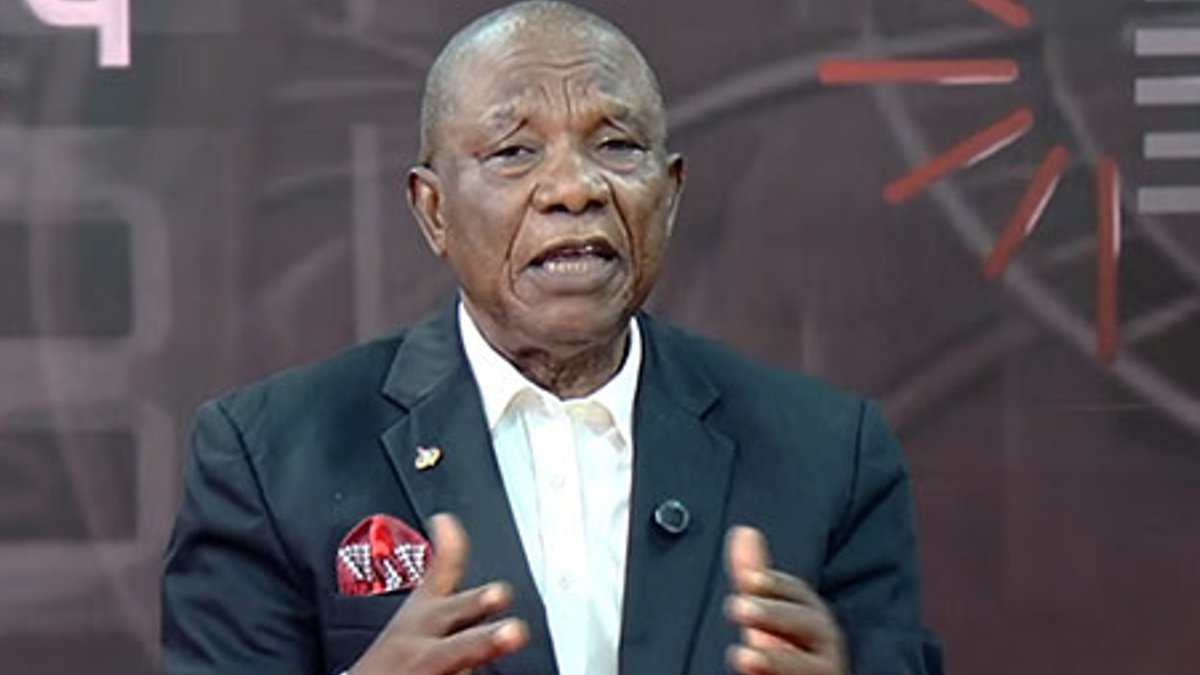
A former Nigerian economic summit chairman has backed claims that political appointments are sometimes purchased, calling the allegation a “painful admission” from within the ruling party. Mazi Sam Ohuabunwa, a business executive and former presidential aspirant, made the remarks while responding to comments by Alwan Hassan, a spokesman for the All Progressives Congress (APC) presidential campaign council.
Hassan had claimed that many ministers pay billions of naira to secure their positions and then prioritize recovering that money after taking office. Ohuabunwa, while agreeing that the practice is real, suggested the amounts might not reach the “billions” figure cited. He stated that individuals obtain appointments through payments made directly to decision-makers or through intermediaries.
The controversy began with Hassan’s televised remarks, which he claimed were not unique to the current administration but had occurred under previous governments. His comments prompted former Vice President Atiku Abubakar to challenge President Bola Tinubu to name the ministers involved and identify who received the payments. To date, the allegations remain unproven, and no specific minister has been identified.
Ohuabunwa described Hassan’s statement as one of the most “painful admissions” he had heard. He questioned why the ruling party had not issued an official rebuttal, leaving uncertainty about whether Hassan spoke independently or with the backing of others. He also referred to a recent controversy involving a government agency subject to court proceedings as evidence of broader concerns about the integrity of public appointments.
Calling the alleged sale of government posts “shameful,” Ohuabunwa argued the issue reflects deeper weaknesses in Nigeria‘s political system. He contended that corruption often begins long before individuals assume office, as political participation has become prohibitively expensive. This financial pressure, he said, forces aspirants to rely on personal wealth, loans, or support from influential figures, creating incentives for corruption from the outset.
Campaign Finance Woes
From his own experience as a presidential candidate, Ohuabunwa explained his campaign did not progress as far as he had hoped because the funds he and his friends could raise were insufficient to compete with politicians who had greater financial backing. He stated that the selection of candidates based on financial considerations, rather than competence and character, is where “corruption starts at that level.”
Related Post: Nigeria Funds 400 Robotic Surgeon Training via TETFund
Ohuabunwa also criticised suggestions that President Tinubu was addressing ministerial corruption by withholding their funds, calling the idea “scandalous.” He questioned why a president would attempt to control ministers personally instead of using established institutions to investigate wrongdoing and strengthen accountability. While he acknowledged that several ministers had explained their activities publicly, he said he did not know the basis for the claim of withheld funds.
When asked about the effectiveness of anti-corruption institutions, Ohuabunwa attributed their weaknesses to a combination of limitations and political interference. He stated the problem was “largely because of political interference,” pointing to suggestions that accused individuals could escape consequences by defecting to certain political parties. He argued Nigeria’s anti-corruption efforts focus on symptoms rather than the institutional failures that allow corruption to persist.
He cited the removal of the fuel subsidy as an example, questioning why the government could not eliminate abuses within the system instead of abolishing the policy altogether. Ohuabunwa described Nigeria’s tendency to create new institutions to replace failing ones as “a national malady.” If the police are not functioning, he said, the solution is to fix the police, not create another agency.
He urged President Tinubu to demonstrate the same determination in fighting corruption that his administration had shown in implementing difficult economic reforms. Every elected president, he argued, should make the best use of their constitutional four-year mandate and not wait for another term to act decisively against corruption and wasteful spending.
Economic Hardship Worsens
Turning to economic hardship, Ohuabunwa acknowledged that poverty existed before Tinubu took office but argued the administration’s decisions had worsened the situation for many households. He illustrated this by comparing the past price of fuel at ₦200 with the current cost of approximately ₦1,000, noting similar increases in rent, transportation, and food prices without corresponding income growth.
“He will be naturally poorer,” Ohuabunwa said, explaining that higher living costs reduce purchasing power when earnings remain unchanged. He maintained that economic data from international development institutions showed more Nigerians had been pushed into poverty under the current administration. He argued that major economic reforms should have been preceded by extensive impact assessments and adequate safeguards.
Read Also: Rufai Oseni Calls for Ambulance Conversion of Buses Over Luxury
His comments followed the Nigerian Economic Summit Group’s annual summit in Abuja, where participants warned that Nigeria’s recent macroeconomic improvements could be reversed without stronger institutions and policies capable of creating employment and reducing poverty. The summit emphasized the need for “growth that works”—policies that create jobs, increase productivity, and improve living standards.
Ohuabunwa stated that economic growth should not be measured solely through macroeconomic statistics but also by its impact on ordinary citizens. While some growth was being recorded, he said, the benefits would remain limited unless the government addressed unemployment, poverty, and challenges facing productive sectors. He urged the administration to prioritize domestic agricultural and industrial production to strengthen the economy.
Boosting Manufacturing
For manufacturing, Ohuabunwa recommended addressing Nigeria’s electricity challenges, reducing multiple taxation, and lowering borrowing costs, as manufacturers cannot compete with unreliable power, high financing costs, and numerous tax obligations. In agriculture, he called for improved access to quality seeds, mechanization, and policies to increase productivity, arguing that traditional farming methods are insufficient for substantial transformation.
Ohuabunwa also identified insecurity as a major obstacle to agricultural development, noting that attacks and threats in farming communities had forced many farmers off their land. His recommendations came amid broader concerns from economic experts that Nigeria’s recent positive trends in key economic indicators were not yet translating into improved living conditions for the general population.
Response to Economic Criticism
Ohuabunwa also addressed Tinubu’s criticism of previous administrations and opposition parties over economic difficulties. The President had blamed earlier governments and political opponents for contributing to hunger and poverty his administration was tackling.
Asked about the PDP’s responsibility for economic weaknesses before the APC, Ohuabunwa urged Nigerians to examine historical indicators objectively. He called for comparing the Yar’Adua and Jonathan administrations with the current government using metrics like per capita GDP, growth, poverty, inflation, and interest rates.
